
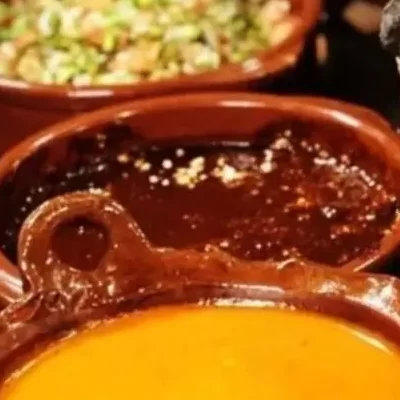
Mexican salsas are far more than condiments—they are the heartbeat of the country’s cuisine, a vibrant expression of regional identity, seasonal ingredients, and deep-rooted culinary traditions. From the smoky heat of roasted chiles to the refreshing brightness of raw tomatoes and herbs, each salsa tells its own story, carrying centuries of history in every spoonful.
At their core, salsas are a fusion of indigenous techniques and ingredients passed down since pre-Hispanic times. The foundation often begins with chiles, which provide not only heat but also depth, fruitiness, and complexity. Mexico boasts more than 60 varieties of chiles, and each one transforms a salsa’s personality. The earthy pasilla, the sweet guajillo, the fiery chile de árbol, or the rich, chocolatey ancho—every chile brings its own character. Whether used fresh, dried, roasted, or boiled, these peppers form the backbone of countless variations.
One of the most iconic preparations is salsa verde, made from tomatillos, cilantro, onion, and typically serrano or jalapeño chiles. Bright and tangy, it’s often served raw for a crisp, acidic flavor, or roasted for a deeper, more mellow profile. Salsa verde pairs effortlessly with tacos, enchiladas, grilled meats, and even simple eggs, making it one of Mexico’s most versatile sauces.
Equally beloved is salsa roja, which usually features ripe red tomatoes blended with chiles such as guajillo, morita, or chile de árbol. The ingredients may be charred on a comal, simmered, or fried—each technique altering the final taste. Fried salsas, a hallmark of many home kitchens, take on a richer, silkier texture as they simmer in oil, creating a comforting sauce ideal for chilaquiles, tamales, and stews.
Among the most celebrated is pico de gallo, a fresh, chunky salsa combining diced tomato, onion, chile, cilantro, and lime. Bursting with brightness, it adds freshness rather than heat, making it a perfect counterbalance to tacos al pastor, grilled fish, or heavy dishes that benefit from a refreshing lift.
Some salsas highlight the transformative power of fire. Salsa tatemada, made with charred ingredients, gains a smoky intensity that complements rustic dishes. Morita or chipotle salsas, using smoked dried chiles, create a deep, warm flavor that is irresistible over shredded meats, beans, or quesadillas. These salsas embody the ancient practice of roasting, a technique still central to Mexican cooking.
Regional specialties further enrich the landscape. Salsa macha, originally from Veracruz, is an oil-based blend of dried chiles, garlic, seeds, and nuts. Its bold, nutty heat is perfect for drizzling over eggs, tostadas, or grilled vegetables. Yucatecan salsas, often made with habanero and citrus, deliver sharp, fiery bursts that contrast beautifully with slow-cooked dishes like cochinita pibil. Meanwhile, in Oaxaca, chile de agua salsas showcase local peppers rarely found outside the region.
What makes Mexican salsas truly remarkable is not just their flavors, but their role at the table. A salsa is an invitation—to customize a dish, to share, to experiment, and to participate in a centuries-old culinary dialogue. Each spoonful connects the present with the past, reminding us that Mexico’s cuisine is living, evolving, and endlessly expressive.
Explore Mexico and its many salsas in one of our food tours! Check out our options and find the one for you at https://casaxilonen.mx/our-tours/