
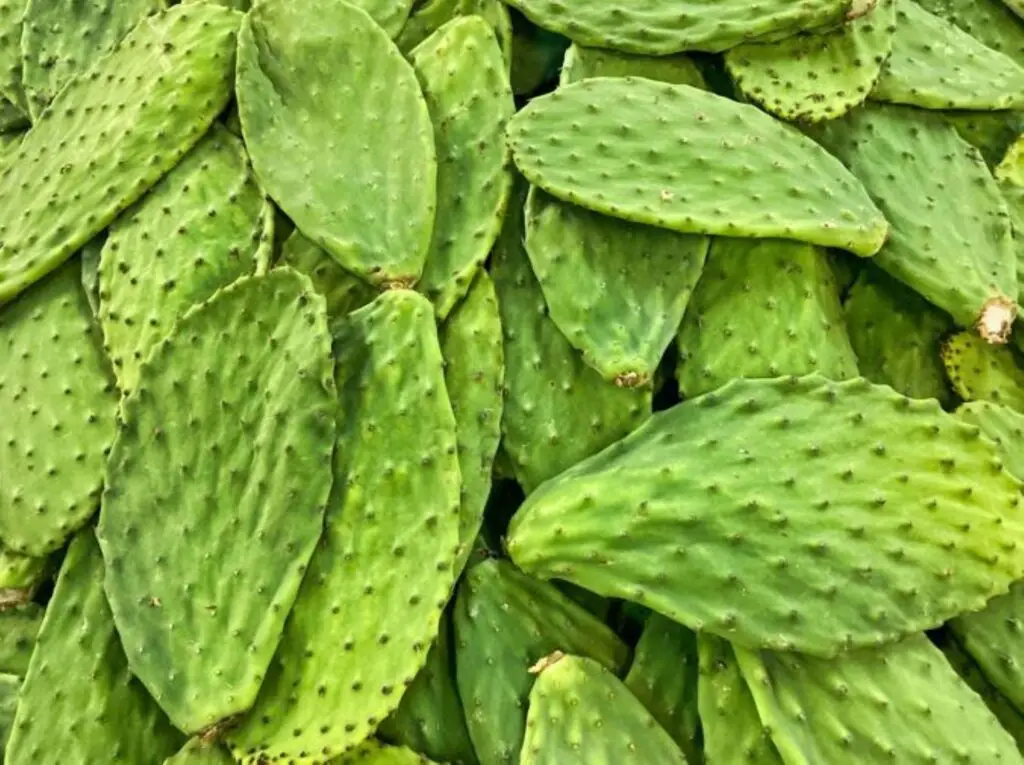
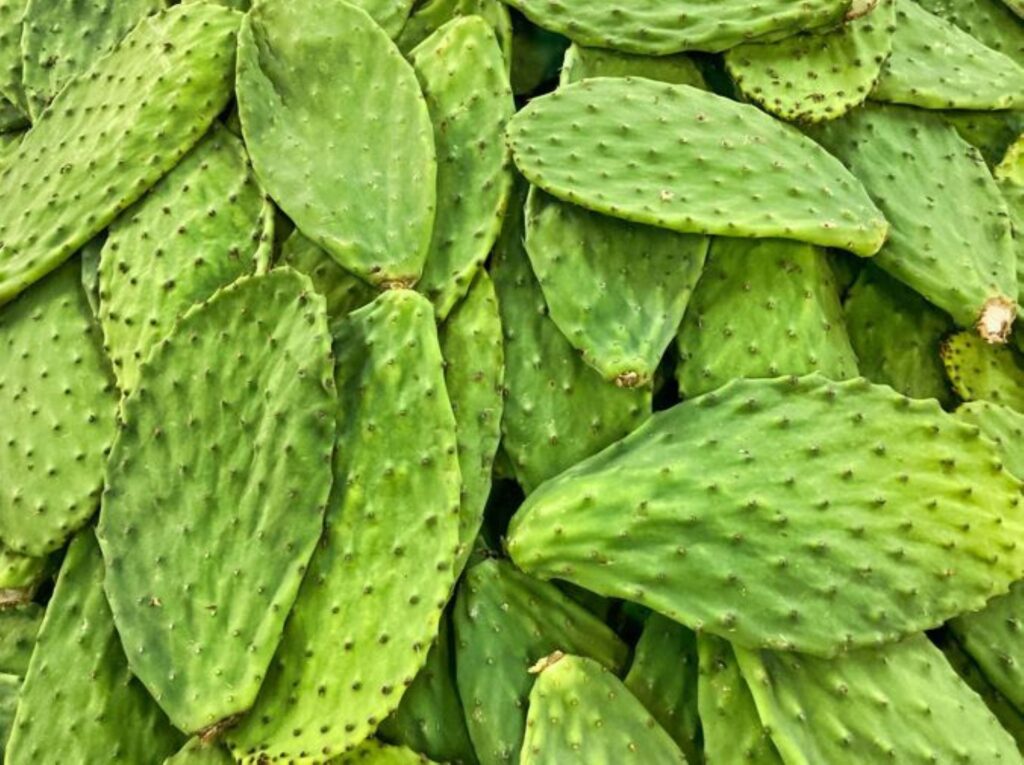
Cactus, particularly nopales, holds a special place in Mexican cuisine, representing a deep connection between food, landscape, and cultural identity. As one of the country’s most iconic ingredients, the nopal cactus has been cultivated and consumed since pre-Hispanic times. Today, it remains a nutritional powerhouse and a versatile culinary staple found in homes, markets, and restaurants across Mexico.
Nopales come from the paddle-shaped pads of the prickly pear cactus, known locally as nopal. These paddles are harvested when young and tender, then cleaned to remove the spines before being sliced, diced, or cooked whole. Their flavor is subtly tangy, and their texture, when prepared correctly, is pleasantly crisp yet succulent. This combination makes them an adaptable ingredient suited for countless dishes, from rustic breakfasts to refined contemporary plates.
One of the most popular ways to enjoy nopales is in ensalada de nopales, a refreshing salad made with diced cactus paddles, tomatoes, onions, cilantro, and a squeeze of lime. Often served chilled, this dish highlights the vegetable’s natural acidity and provides a bright, hydrating contrast to rich or spicy foods. It’s a staple at family gatherings and festive meals, especially during warm months.
For breakfast, nopales often appear alongside scrambled eggs in huevos con nopales, offering both flavor and nutrition. The cactus adds a mild tartness that enhances the richness of the eggs, making for a balanced and energizing start to the day. Similarly, nopales are frequently incorporated into stir-fries with onions and chiles, served with warm tortillas for a simple yet satisfying meal.
Grilling nopal paddles whole is another traditional preparation, especially associated with outdoor cooking and street food. When lightly charred, the pads take on smoky notes that pair beautifully with carne asada, fresh cheese, or salsa. Grilled nopales are often used as a filling for tacos or served as a side dish, proving that this humble ingredient can stand up to bold flavors.
In soups and stews, nopales contribute both taste and texture. Dishes like caldo de nopales or guasmole use cactus to add body and a subtle vegetal quality. Because nopales release a natural mucilage when cooked—similar to okra—they help thicken broths and create a comforting, rustic feel. Skilled cooks know how to manage this property, either embracing it for hearty dishes or rinsing and pre-cooking the nopales to minimize it for crisper results.
Beyond traditional recipes, nopales have found new life in modern Mexican cuisine. Chefs incorporate them into gourmet salads, ceviches, and even desserts, taking advantage of their unique texture and mild acidity. Their nutritional benefits—high fiber, antioxidants, vitamins, and their ability to help regulate blood sugar—make them especially appealing for contemporary health-focused cooking.
The cultural symbolism of the nopal is undeniable. It appears at the center of Mexico’s national coat of arms, representing resilience, heritage, and the roots of the nation. In everyday cooking, nopales embody this same spirit: resourceful, nourishing, and deeply tied to the land.
Whether grilled, stewed, sautéed, or served fresh, nopales remain a cornerstone of Mexican cuisine. Their versatility, history, and enduring presence on the Mexican table make them an ingredient that bridges past and present—one plate at a time.
Explore authentic Mexican dishes with this and other tasty ingredients in our Casa Xilonen food tours https://casaxilonen.mx/our-tours/