
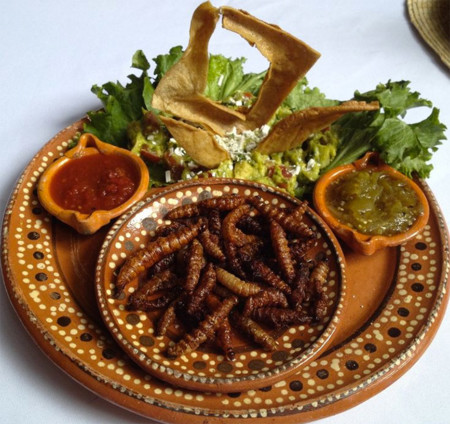
When it comes to Mexican cuisine, most people think of tacos, tamales, and mole—but few realize that insects have been a vital part of the country’s culinary heritage for thousands of years. From pre-Hispanic times to modern-day gourmet dishes, edible insects (known as entomophagy) provide not only unique flavors but also a sustainable and protein-rich food source.
A Pre-Hispanic Legacy
Long before the arrival of the Spanish, indigenous Mesoamerican civilizations like the Aztecs, Mayans, and Zapotecs incorporated insects into their diets. Insects were highly valued for their nutritional benefits and were often reserved for nobility and special ceremonies. The códices (ancient manuscripts) depict how insects like chapulines (grasshoppers) and ahuautle (water fly eggs, also called “Mexican caviar”) were harvested and consumed.
Popular Edible Insects in Mexican Cuisine
1. Chapulines (Grasshoppers)
One of the most famous edible insects in Mexico, chapulines are toasted with garlic, lime, and chili for a crunchy, tangy snack. They are commonly eaten in Oaxaca as a topping for taco or mixed with guacamole. Rich in protein and low in fat, they are a healthy alternative to processed snacks.
2. Escamoles (Ant Larvae)
Known as “insect caviar,” escamoles are the larvae of black ants, harvested from the roots of agave or maguey plants. They have a buttery, nutty flavor and are often sautéed with butter, epazote, and served in tacos or omelets. A delicacy in central Mexico, they were once served to Aztec emperors.
3. Chinicuiles (Maguey Worms)
These red worms live in the agave plant and are a key ingredient in mezcal, where they are added to bottles for flavor. When eaten, they are typically fried or roasted and have a smoky, earthy taste. Another variety, gusano blanco, is also used in Oaxacan cuisine.
4. Jumiles (Stink Bugs)
Popular in Guerrero, jumiles are eaten alive, toasted, or ground into salsa. They have a strong, cinnamon-like flavor due to their herbivorous diet. Some indigenous communities believe they have medicinal properties, helping with digestion and even pain relief.
5. Ahuautle (Water Fly Eggs)
This “Mexican caviar” was a prized food in Aztec times, often mixed into tamales or tortillas. High in protein, it has a similar texture to fish roe and is still consumed in regions near lakes, such as Texcoco.
Why Eat Insects?
Beyond tradition, insects offer sustainability benefits:
- Eco-friendly: They require less water and land than livestock.
- Nutrient-dense: High in protein, vitamins, and minerals.
- Low carbon footprint: Producing insects generates fewer greenhouse gases than cattle farming.
Insects in Modern Mexican Gastronomy
Today, chefs in high-end restaurants are reinventing insect-based dishes, blending tradition with innovation. From grasshopper-infused mezcal to ant-larvae risotto, insects are gaining global recognition as a gourmet ingredient.
Edible insects are more than just a novelty—they are a cultural treasure and a sustainable food solution. Whether enjoyed in a humble Oaxacan market or a Mexico City fine-dining establishment, these tiny delicacies continue to shape Mexico’s rich culinary identity.
Would you try them? 🦗🔥 Explore this and other dishes in Casa Xilonen’s food tours at https://casaxilonen.mx/our-tours/