
Mexico City’s food markets are vibrant, living museums of culture, flavor, and community—places where history and daily life intersect through the universal language of food. These markets, or mercados, have existed since pre-Hispanic times, evolving from ancient tianguis (open-air markets) into bustling hubs that continue to nourish the city’s millions of residents and curious visitors. Together, they reflect the diversity of Mexico’s culinary traditions, offering not just ingredients, but full sensory experiences that capture the soul of the capital.
One of the most iconic is Mercado de La Merced, a sprawling labyrinth of produce, meats, spices, and prepared dishes. As one of the city’s oldest and largest markets, La Merced is a masterclass in organized chaos. Vendors call out daily deals, the air carries the scent of chiles and fresh tortillas, and every aisle reveals something new—from mountains of nopales to strings of dried chiles hanging like ornaments. Street food here is legendary: quesadillas overflowing with huitlacoche or squash blossoms, tlacoyos freshly griddled, and sweet atole in flavors that change with the seasons.
In contrast, Mercado de San Juan offers an entirely different, more gourmet atmosphere. Often called the “chef’s market,” it caters to culinary professionals searching for specialty products: imported cheeses, unusual meats, delicate seafood, and tropical fruits that are difficult to find elsewhere. Yet even casual visitors can enjoy the experience. Small tapas-style stalls serve carpaccios, cured meats, and artisanal sandwiches, turning a shopping trip into a tasting adventure. At San Juan, tradition meets innovation, making it one of the city’s most intriguing gastronomic spaces.
For travelers seeking authentic daily-life flavors, Mercado Medellín in Roma Sur provides a welcoming, multicultural vibe. Known as the “Latin American market,” it brings together food and products from Cuba, Colombia, Venezuela, and beyond. Shoppers wander between stalls selling Colombian arepas, Oaxacan moles, freshly made salsas, and fragrant tropical fruit juices. The market’s warm atmosphere reflects the neighborhood’s diverse community, creating an environment where local families, expats, and visitors mingle effortlessly. If you want to explore Mercado Medellin and its dishes take a look at our https://casaxilonen.mx/our-tours/sightseeing-and-food-tour-adventure/ in which its one of our stops!
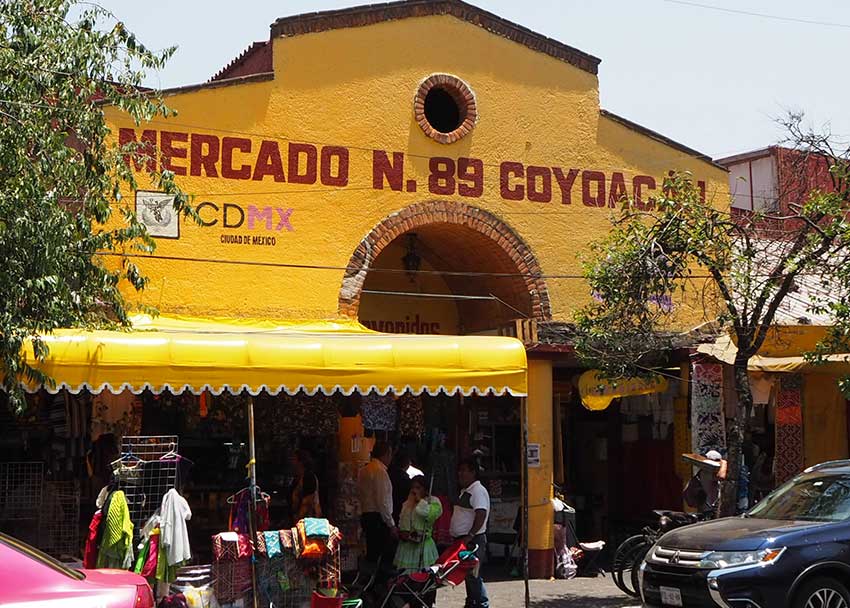
Meanwhile, Mercado Coyoacán charms with its vibrant colors and traditional snacks. Located in a historically artistic neighborhood, this market feels more intimate. It’s famous for crispy tostadas piled with chicken, seafood, or tinga, along with churros rolled in cinnamon sugar. Handmade crafts, candies, and brightly painted ceramics add to its festive character. The market embodies the neighborhood’s mix of tradition and creativity, making it a favorite stop for anyone exploring the southern part of the city.
But beyond the iconic spots, Mexico City’s food markets play an essential role in preserving culinary techniques passed down through generations. Many vendors learned their craft from parents and grandparents—tortilla makers who still nixtamalize corn, spice merchants who blend moles by hand, or butchers who understand the anatomy of every cut. These markets ensure that the flavors of Mexico remain alive and accessible.
Visiting the food markets of Mexico City isn’t just about tasting dishes—it’s about connecting with the people and traditions that have shaped one of the world’s most exciting culinary capitals. Each market tells a story, and together, they reveal the heart of the city: diverse, flavorful, and endlessly vibrant.